THE X FUTURE
Designing a Complete SaaS Experience at Scale
Project Concept Label
UI/UX Design, SaaS Application Design, Design System
Project Type
INTRODUCTION
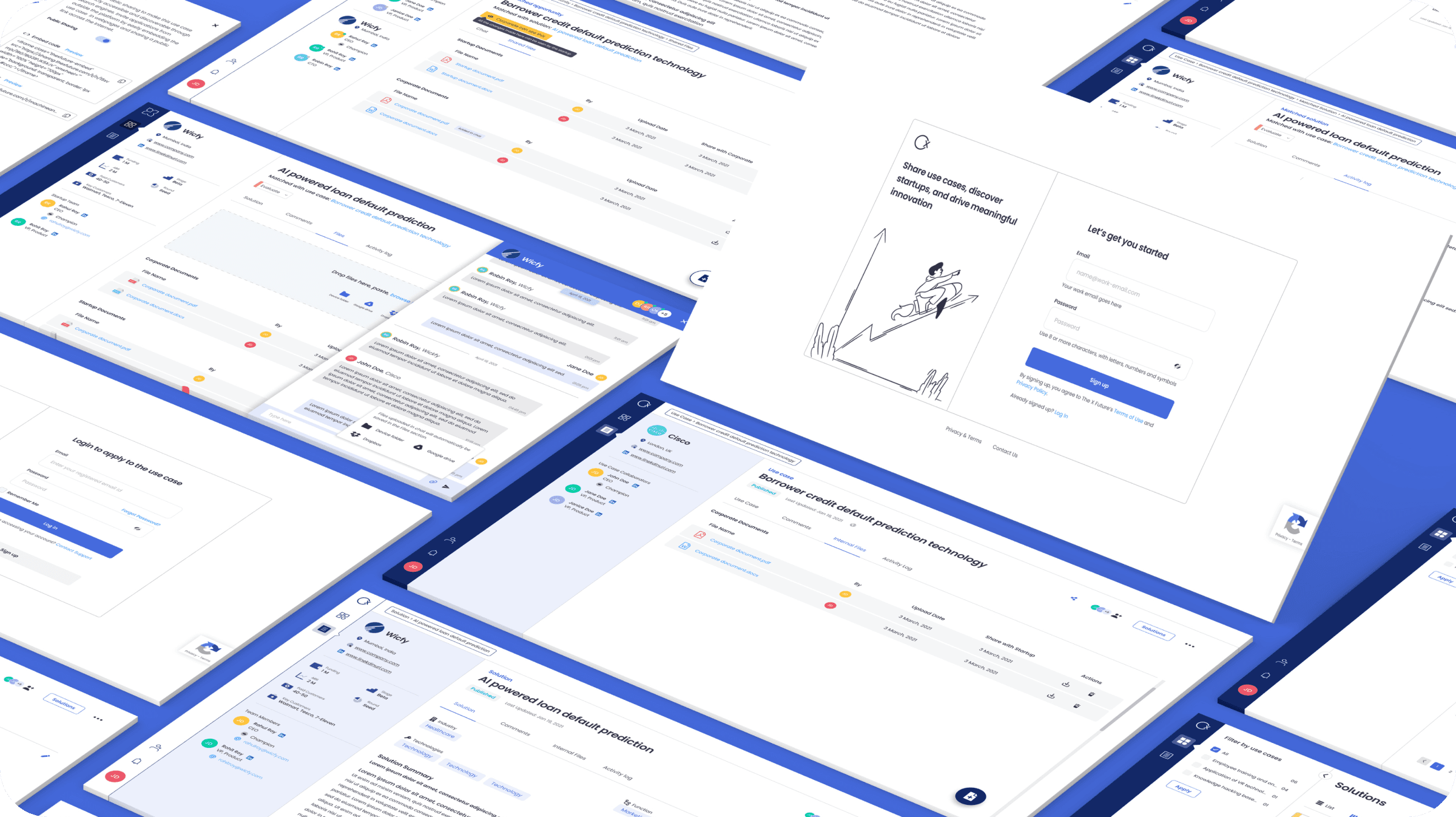
MY ROLE Sole Designer | 300+ Responsive Screens, Design System, Client & Developer Management The X Future is a comprehensive SaaS platform that needed a complete interface overhaul. I joined the project midway through development when the team realized their existing designs weren't meeting the product's ambitious scope. The platform required hundreds of screens across complex user flows, admin panels, dashboards, and feature modules, all while maintaining consistency and usability. THE CHALLENGE As the sole designer on this large-scale project, the challenge wasn't just about quantity. Designing 300+ responsive screens across desktop, tablet, and mobile meant creating a cohesive system that could scale without breaking down. Every screen needed to feel part of the same ecosystem while serving distinct functions. The interface had to work for different user types, accommodate varying data densities, and remain intuitive despite the platform's complexity. Adding to the scope, I was working directly with both the client and the development team. This dual communication meant balancing business objectives with technical constraints, translating stakeholder feedback into actionable design decisions, and ensuring developers had everything they needed for smooth implementation. The timeline was aggressive: three months to review existing work, design 300+ new screens, create micro-interactions, and support development through handoff.
DESIGNING METHOD
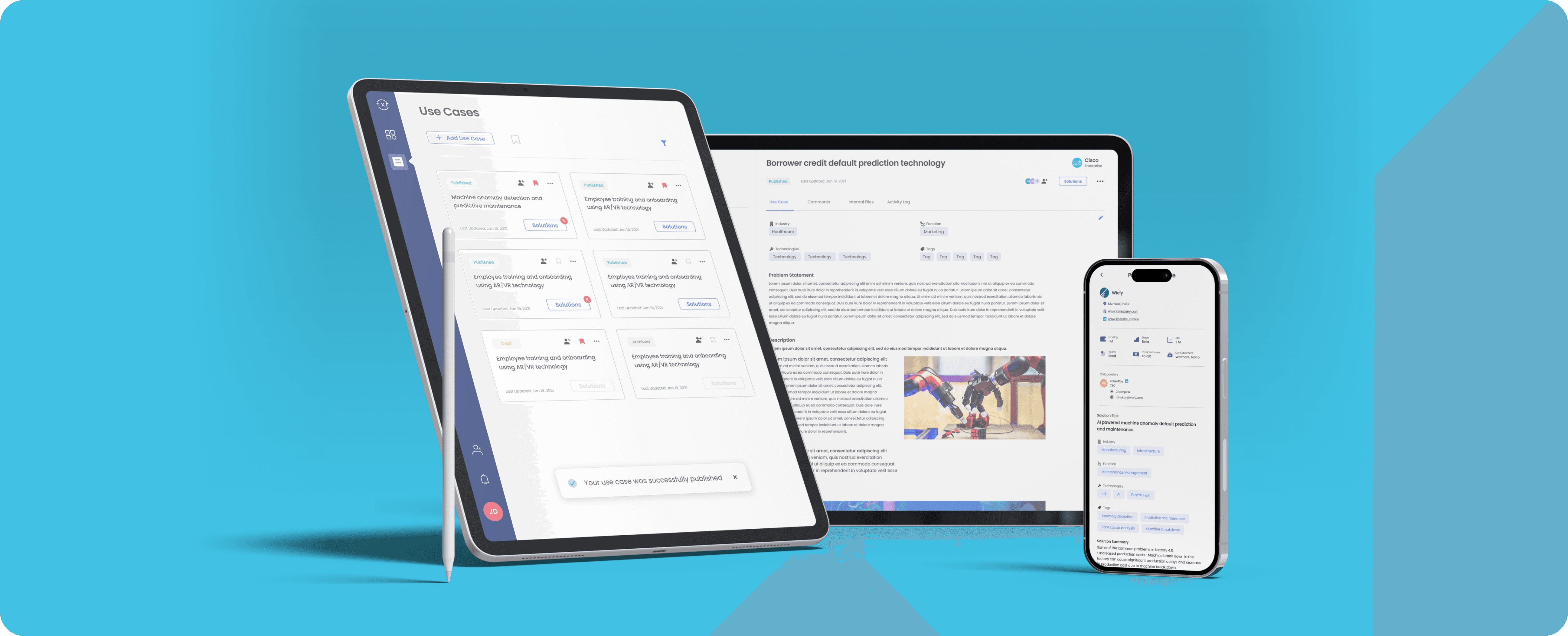
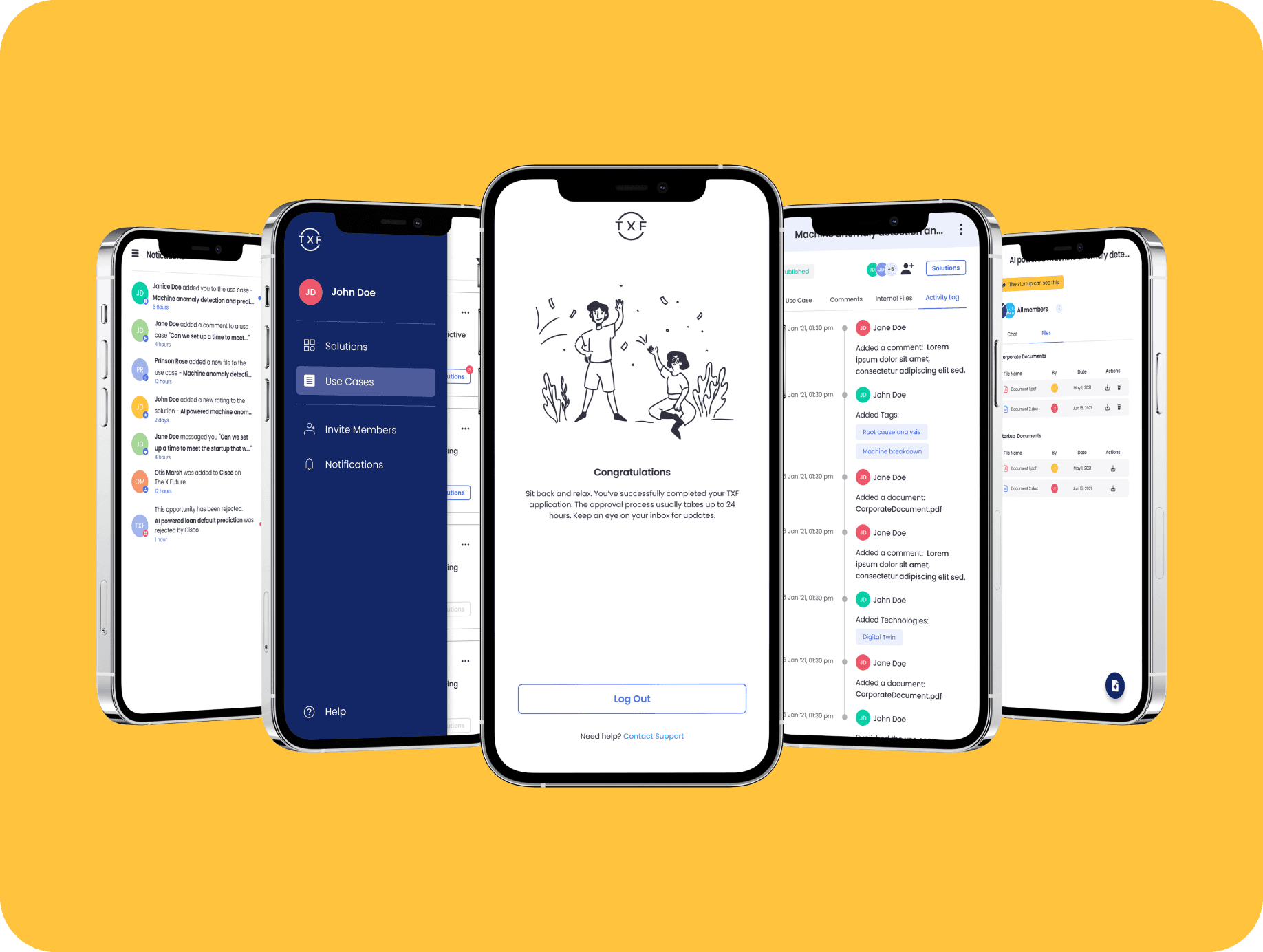
AUDIT & STRATEGIC PLANNING I started by conducting a comprehensive audit of the existing screens to understand what was working and what needed improvement. This review revealed inconsistencies in spacing, typography usage, component variations, and user flow logic. Rather than just fixing issues piecemeal, I identified an opportunity to establish a comprehensive design system that would streamline both my work and future platform development. COMPONENT LIBRARY DEVELOPMENT My first priority was creating a robust component library. I systematically designed buttons, form fields, cards, modals, navigation elements, data tables, and dozens of other UI components with all their states: default, hover, active, disabled, error, and loading. This foundation meant I could design 300+ screens efficiently without reinventing the wheel for every interaction. RESPONSIVE DESIGN APPROACH My screen design followed a methodical, responsive-first approach. Every interface was designed across three breakpoints: desktop for detailed data work, tablet for flexible on-the-go access, and mobile for quick tasks and notifications. This wasn't just about shrinking layouts. Each device required thoughtful consideration of touch targets, information hierarchy, and context-appropriate functionality. ORGANIZATIONAL STRATEGY The sheer scale demanded organizational strategy. I categorized screens into logical groupings: onboarding flows, dashboard variations, admin panels, settings interfaces, data visualization screens, reporting modules, user management, and more. Within each category, I mapped user flows to ensure smooth transitions and logical progression. This systematic approach kept the massive project manageable and ensured nothing fell through the cracks.
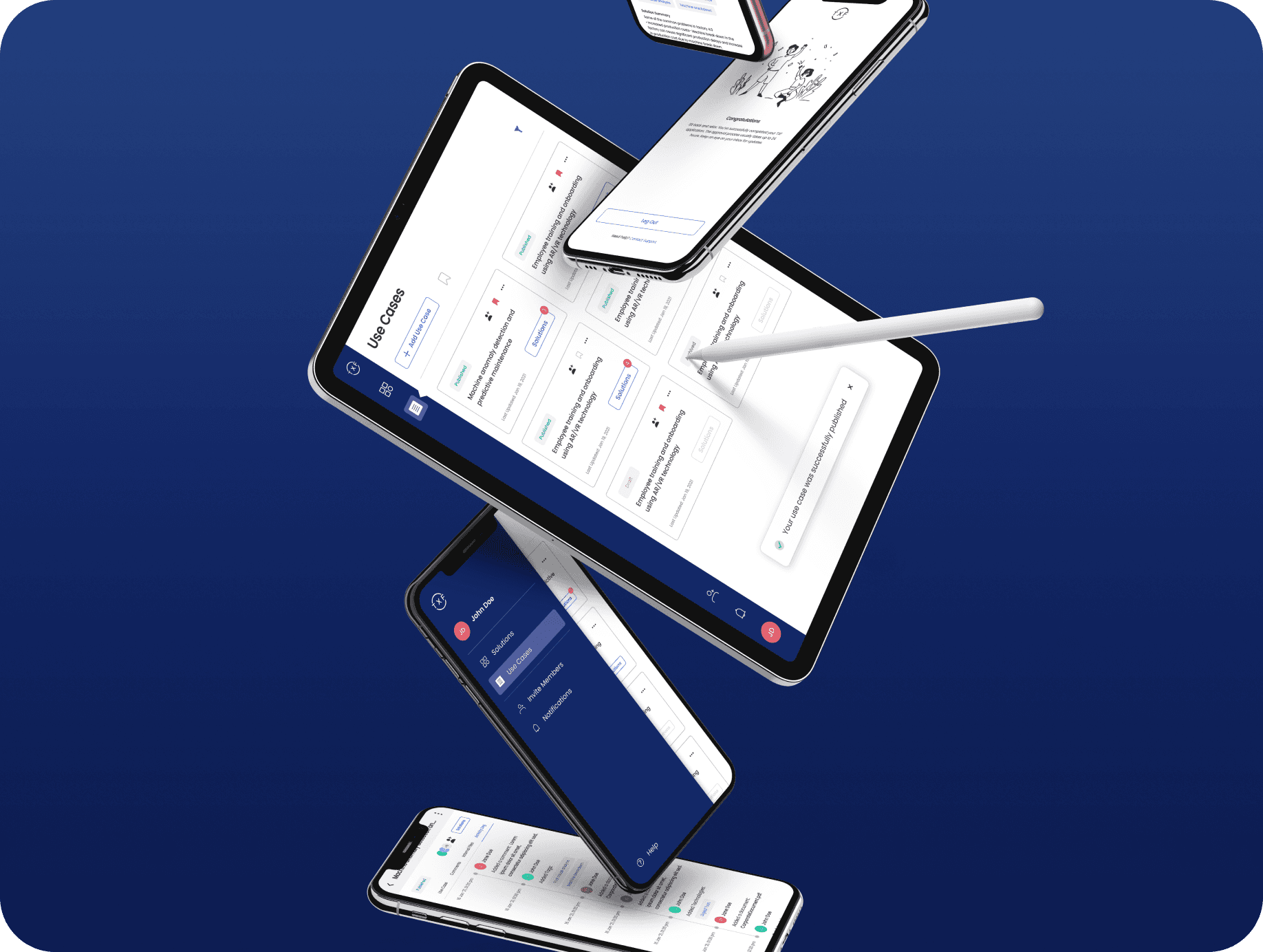
MICRO-INTERACTIONS DESIGN Micro-interactions became a crucial differentiator in my design approach. While designing hundreds of screens could lead to static, lifeless interfaces, I incorporated thoughtful animations and transitions that made the platform feel alive and responsive. Loading states, success confirmations, error feedback, hover effects, and transition animations were all carefully designed to provide visual feedback and guide users through complex tasks. STAKEHOLDER COMMUNICATION My communication with the client and development team was constant and structured. Weekly design reviews with stakeholders ensured the interface aligned with business goals and user needs. Regular check-ins with developers addressed technical feasibility, clarified interaction details, and resolved edge cases before they became implementation blockers. I created detailed design specs, interaction documentation, and component guidelines that made developer handoff smooth and reduced back-and-forth. EVOLVING DESIGN SYSTEM The design system I built evolved throughout the project. As new requirements emerged, I expanded the component library rather than creating one-off solutions. This discipline ensured consistency across all 300+ screens and created a foundation the team could build on long after project completion.
FINAL PERFORMANCE
SCALE DELIVERED ON TIME Completing 300+ responsive screens in three months while maintaining quality and consistency demonstrated my ability to execute at scale under tight deadlines. The comprehensive design system I created proved invaluable, enabling rapid screen creation while ensuring every interface felt cohesive. Desktop, tablet, and mobile experiences each felt native to their platform rather than forced adaptations. POLISHED USER EXPERIENCE The micro-interactions I designed transformed what could have been a utilitarian enterprise tool into an interface that felt polished and delightful. Users weren't just completing tasks but experiencing a thoughtfully crafted product that responded to their actions with clarity and grace. STAKEHOLDER ALIGNMENT My direct communication with both client and development team created alignment and efficiency. By serving as the bridge between business needs and technical implementation, I could make real-time design decisions that balanced both perspectives. This eliminated the delays and misunderstandings that often plague projects with disconnected stakeholders. EXPERTISE AT SCALE The aggressive three-month timeline reinforced my expertise in working at scale. Creating systems over one-off solutions, maintaining clear documentation, prioritizing reusable components, and communicating proactively with all stakeholders became the foundation of my approach. These principles inform how I lead design projects today. QUALITY WITHOUT COMPROMISE Most importantly, this project demonstrated that massive scope doesn't require sacrificing quality. With the right systems, clear communication, and disciplined execution, it's possible to deliver hundreds of screens that feel cohesive, polished, and purposefully designed. The X Future SaaS platform launched with a complete, production-ready interface that supported their product vision and set a strong foundation for future growth.